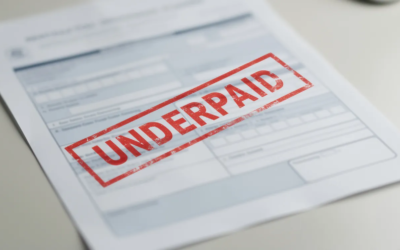
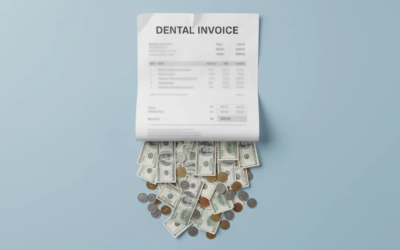
Aging insurance A/R is one of the fastest ways for a busy dental office to feel cash-poor even when the schedule is full. If payment for completed dental services sits unpaid for 30, 60, or 90+ days, the practice still has to cover payroll, supplies, rent, lab bills, and doctor compensation.
A dental claim is a request for payment submitted to a dental insurance company after receiving services, which can be filed by either the patient or the dentist depending on the provider’s network status. In most cases, the dentist submits the insurance claim after services rendered, but the patient may be financially responsible if coverage, documentation, or timing fails.
Start Here: Fast Wins to Shrink Outstanding Dental Claims This Month
Outstanding dental claims are submitted claims that have not been paid, denied, adjusted, or resolved. They usually get stuck because of missing supporting documentation, inaccurate claim information, claim rejections, payer review delays, or weak follow-up. File a dental claim promptly after receiving treatment, as delays can lead to immediate denial of the claim, even if the treatment would have been covered.
Start with these fast wins this week:
- Submit claims electronically within 24 hours of completed dental procedures.
- Run payer-specific batches for Delta Dental, UnitedHealthcare Dental, MetLife, Aetna, Cigna, Medicaid, and other health plans.
- Hold one weekly A/R sprint for all claims over 30 days.
- Check portal status 10–14 days after submitting claims.
- Create resubmission rules before any particular claim reaches timely filing risk.
These tips work whether your practice is a solo dental practice, a multi-location group, or a dentist’s office using Dentrix, Eaglesoft, Open Dental, or Dentrix Ascend. Prospa Billing helps dental professionals reduce billing drag with claims submission, denial appeals, payment posting, patient billing, and A/R dashboards; a realistic goal for many practices is cutting 60+ day A/R by 30–50% within 90 days when reports, access, and team follow-through are in place.

Know Your Numbers: Build a Clear Picture of Outstanding Dental Claims
You cannot lower outstanding dental claims fast unless you measure them by age, payer, and procedure type. Pull an insurance aging report from your practice management software and break it into 0–30, 31–60, 61–90, and 90+ day buckets. A healthy benchmark is often keeping 90+ day insurance A/R under about 15% of total insurance A/R, while top performers aim for days in A/R under 25 days, according to Arceum’s 2026 dental A/R benchmark analysis.
Here’s why this matters. If a practice has 45% of insurance A/R sitting in the 60+ day bucket, nearly half of expected insurance payment is exposed to denial, write-off, and cash-flow delay. Track by insurance company and by category: preventive, restorative, endodontic, periodontal scaling, root planing, oral surgery, implants, and other procedures.
Use simple formulas:
- Days in A/R = total insurance A/R ÷ average daily insurance production.
- Percentage of A/R over 30 days = A/R over 30 days ÷ total insurance A/R.
- Claim denial rate = denied claims ÷ total claims submitted.
Prospa Billing starts every engagement with an insurance A/R audit. We review payer, dental plan, age bucket, procedure, provider, claim form status, and benefit plan notes so the fastest cash opportunities come first, and our team’s specialized understanding of dental billing and coding helps prevent future errors.
Create a Portal-First Dental Claims Workflow
Payer portals and clearinghouses are faster and easier to track than paper claims. A portal-first workflow means every new dental claim is checked online, submitted electronically, and monitored through payer status tools unless the payer truly requires paper. Delta Dental, MetLife, UnitedHealthcare Dental, state Medicaid portals, and many dental ppo networks all support some form of online claim handling.
A practical workflow looks like this:
- Verify eligibility and dental benefits before treatment.
- Confirm dental benefits plan details, waiting periods, covered services, annual maximums, and pre authorizations.
- Submit the dental claim form within 24 hours after procedures are completed.
- Upload x rays, chart notes, narratives, intraoral photos, or perio charting when required.
- Use portal status codes to catch claim rejections early.
Using portals reduces lost mail, avoids duplicate radiographs, cuts manual data entry errors, and often shortens payment cycles from 3–4 weeks to roughly 7–14 days, depending on the payer. Some claims still require a paper claim, but paper should be the exception, not the default. Prospa Billing builds payer-specific portal checklists so staff know what each insurance provider needs for a clean claim.
Batch Claims by Payer and Plan for Speed and Consistency
Batching means grouping outstanding claims by payer, plan type, employer group, or claim status. Instead of jumping from a Delta Dental crown denial to a Medicaid hygiene claim to a UHC oral surgery request, the team focuses on one rule set at a time.
For example, run separate batches for:
- delta dental and Delta Dental PPO claims.
- Medicaid claims with state-specific attachment rules.
- UHC dental plans and commercial dental insurance plan claims.
- Claims involving a primary carrier before secondary insurance.
This reduces rework because staff are not constantly switching guidelines. Use software filters to create worklists by payer, claim age, procedure code, claim status, and provider. Then schedule payer power hours: Tuesday for Delta Dental, Wednesday for Medicaid, Thursday for commercial PPOs. Prospa Billing organizes A/R queues this way because it lowers phone hold waste and helps representatives resolve multiple claims in one contact.

Use Clear Resubmission Rules and Timely Filing Safeguards
Unclear resubmission habits waste time and can cause lost dental benefits. Timely filing deadlines for claims are often 60 to 90 days, and waiting too long can result in denials. Every insurance provider has strict deadlines for submitting claims, often ranging from 90 to 180 days from the date of service, though some plans allow longer and some Medicaid programs are shorter.
Claims can be denied if they are filed too late after the service was completed, emphasizing the importance of timely filing. Check each payer manual and contract. Then set rules such as:
- Check claim status 10–14 days after submission.
- Resend electronically if the portal shows no claim on file.
- Call the payer if the claim is high-value, near deadline, or repeatedly rejected.
- Log the payer reference number, EOB code, corrected claim indicator, reason, next follow-up date, and missing clinical documentation.
Your resubmission playbook should include original claim information, patient information, payer ID, procedure dates, cdt code, treating dentist NPI, and relevant information from the explanation of benefits. Prospa Billing configures payer-specific reminders and timely filing alerts so high-value claims do not age out unpaid.
Run Weekly “AR Sprints” Focused on Aging Dental Claims
A weekly A/R sprint is a focused 60–90 minute session where the team works only on aging dental claims and denials. Pick a recurring time, such as Thursday afternoon, and commit to a clear goal: reduce 60+ day A/R by $10,000, resolve 25 claims, or clean every 90+ day claim for appeal, payment, or write-off review.
Prepare before the sprint:
- Export the aging report.
- Sort highest dollar and oldest claims first.
- Build a portal-check and call list.
- Gather chart notes, x rays, narratives, pre treatment estimate notes, and EOBs.
Divide the work. One person checks portals, one calls payers, and one updates notes, codes, narratives, and patient balances. Track dollars recovered, number of claims resolved, and average days in A/R each week. Prospa Billing often runs virtual A/R sprints for client practices so in-office staff can stay focused on patients and oral health.
Get Clinical and Administrative Data Right the First Time
Most avoidable dental claim delays come from preventable data errors. Common mistakes in dental claims include inaccuracies in personal information, typos, and incorrect billing codes, which can lead to claim denials. Practices that understand the most common dental claim denial reasons can build checklists that catch many of these issues before submission.
Every claim form should have accurate:
- Patient name, date of birth, subscriber ID, group number, and social security number when required.
- Treating dentist name, NPI, tax ID, and location.
- Tooth numbers, surfaces, dates, fees, and services.
- Correct payer address and network provider details.
Current Dental Terminology (CDT) codes are updated annually, and using obsolete codes can trigger immediate denials. Accurate CDT coding matters for D2740 crowns, D4341 scaling and root planing, D0120 periodic exams, and many other dental procedures. Train licensed dentists, assistants, hygienists, and front office staff together so charting supports what billing submits and reinforces streamlined dentist billing workflows. Prospa Billing reviews denial patterns by dentists, payer, and procedure, then gives targeted feedback to improve future submissions.
Handle Attachments, Narratives, and Paper Claims Without Bottlenecks
Missing attachments are a major reason dental insurance claims stall, especially for crowns, bridges, implants, endodontics, periodontal scaling, and oral surgery. Dental insurance claims are most commonly denied due to clerical errors, policy limits, or insufficient clinical proof. Insurers routinely deny higher-cost treatments if the clinical necessity is not explicitly proven.
Build a quick attachment checklist for each particular treatment:
- Bitewing, periapical, panoramic, or full-mouth x rays.
- Perio charting for SRP and periodontal maintenance.
- Intraoral photos for fractures or failed restorations.
- Signed treatment notes and narratives.
- Pre authorizations or pre-approval records.
Many dental plans require pre-approval for complex or elective restorative work to avoid claim denials. Standard narrative templates for crown fractures, failed restorations, endo necessity, and implant-related treatment save time while still allowing patient-specific detail, and similar templates can also streamline patient billing and statements when balances remain after insurance pays.
Paper claims are still required by some Medicaid programs and smaller regional plans. For every paper claim, record date mailed, address used, attachments included, and follow-up date. Scan the full packet into the system. Prospa Billing converts as many claims as possible to electronic submission and keeps paper claims controlled, visible, and accountable.
Use Payer Rules, Dental Benefits, and Plan Details to Your Advantage
Understanding dental insurance plan rules upfront prevents many avoidable denials. It is important to verify benefits ahead of time to confirm coverage and identify any waiting periods before treatment. When new patients purchase dental insurance or arrive with a new card, verify benefits before major dental care begins.
Record:
- Annual maximums and remaining benefits.
- Frequency limits for routine cleanings, exams, and radiographs.
- Waiting periods.
- Missing tooth clauses.
- Coverage levels for preventive, basic, and major services.
- Whether the patient must use a network dentist.
Insurers limit how often they cover specific services, such as routine cleanings or X-rays, leading to potential denials. A claim may be denied due to frequency of service issues, meaning that the treatment may not be covered if it exceeds the allowed frequency as per the insurance policy. Claims can be denied if the patient exceeds their annual maximum balance or triggers a “missing tooth clause” excluding pre-existing conditions.
Benefit knowledge helps schedule treatment strategically. For example, a practice may finish crowns before year-end, schedule perio maintenance within limits, or warn patients about downgrades. Note plan rules directly in the patient account so dental professionals are not guessing when care is delivered. Prospa Billing integrates payer-specific rules into workflows so coverage, benefits, and documentation match the patient’s actual plan.

Streamline Denial Management and Appeals
Fast denial management can recover revenue that many practices write off too early. Dental claims are typically denied for reasons like clerical errors, missing pre-authorizations, or plan limitations. Common reasons for dental claim denials include inaccurate claim information, such as input errors or missing Social Security Numbers. Common reasons for dental claim denials also include inaccuracies in claim information, such as missing details or incorrect billing codes, which can be addressed during the appeals process.
Create denial categories in the practice management system:
- Missing information.
- No coverage for procedures.
- Frequency limits exceeded.
- Lack of radiographs.
- Incorrect patient or subscriber data.
- Late filing.
- Insufficient clinical proof.
A formal appeal can be submitted if a claim is denied, as indicated by the Explanation of Benefits (EOB). To successfully appeal a denied dental claim, ensure that you gather all necessary documentation and understand the reasons for the denial as outlined in the explanation of benefits (EOB).
Submit appeals within 10 business days when possible. Include the EOB, corrected claim, clinical notes, radiographs, narratives, and provider letter. Prospa Billing manages denial appeals, speaks with payer representatives, documents outcomes, and turns appeal findings into prevention rules for future claims.
Train Your Team and Decide When to Outsource Billing
Even the best billing system fails if people do not follow it consistently. Run short monthly trainings for front office staff, assistants, hygienists, and providers on coding basics, documentation standards, dental benefits, and how daily charting affects payment. Create simple SOPs for claim submission, portal follow-up, weekly A/R sprints, patient questions, and appeals.
Consider outsourcing when claims keep aging beyond 60 days, write-offs rise, staff work overtime on billing, or the doctor cannot see the true A/R position. Outsourcing also helps when a practice is growing, adding providers, or struggling with turnover, and comparing in-house vs outsourced dental billing can clarify which model fits your practice best.
Prospa Billing is a dental revenue cycle partner for U.S. practices. We integrate with existing practice management software, submit claims, post payments, appeal denials, manage patient billing, reduce A/R aging, and provide clear dashboards so owners can focus on dentistry, patients, and practice growth.
If outstanding dental claims are slowing cash flow, contact Prospa Billing to schedule a no-cost dental A/R review. We’ll use your reports and claim information to map the fastest path to shrink unpaid insurance A/R over the next 60–90 days.

0 Comments