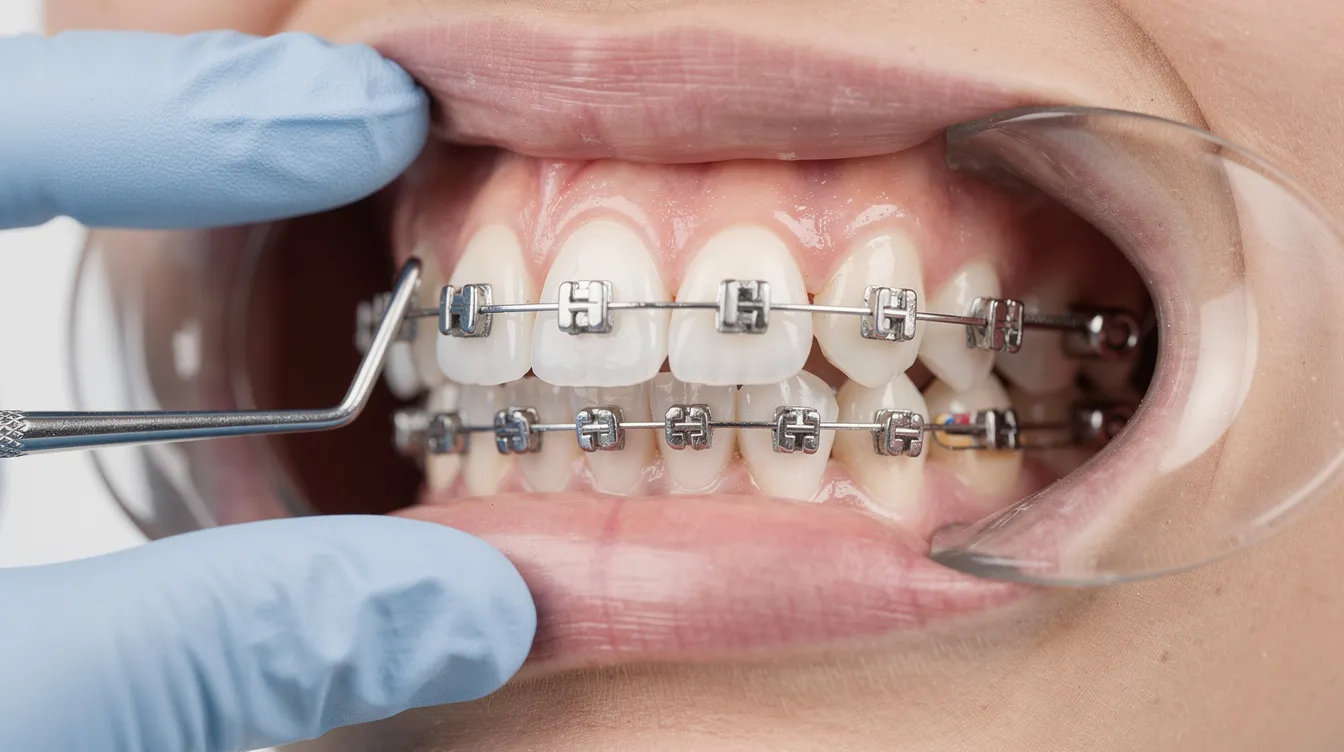
If you run an orthodontic practice, you already know your billing process looks nothing like general dental billing. Orthodontic billing is based on long-term treatment plans rather than per-visit charges, and that single difference creates a cascade of complexity that most billing teams aren’t built to handle.
Orthodontic practices face financial and administrative hurdles due to high-dollar contracts that stretch across 18 to 30 months or longer. During that window, everything can shift: insurance providers change, orthodontic benefits expire, patients age out of coverage, and phase transitions get missed. Detailed treatment plans outlining all costs can help reduce disputes with patients, but maintaining accuracy over such long timelines is where things break down.
Below, we’ll walk through the three biggest orthodontic billing headaches that kill cash flow and explain why outsourcing is the cleanest fix.

How We Identified the Biggest Orthodontic Billing Problems
We evaluated orthodontic billing problems based on three criteria: cash flow impact, administrative burden on staff, and frequency of occurrence. Operational challenges in orthodontic practices include managing patient records and insurance verification, but not every challenge hits the bottom line equally.
The issues below specifically affect orthodontic services more than general dental billing because of multi-year treatment timelines, phased fee structures, and the unique way insurance companies handle orthodontic coverage.
Top 3 Orthodontic Billing Headaches That Kill Cash Flow
1. Phased Treatment Plans and Complex Fee Structures
Phased orthodontic treatment-from the pre orthodontic treatment visit through active treatment, appliance placement, and orthodontic retention-creates a billing process unlike anything in general dentistry.
Why It’s So Problematic
Orthodontic claims are typically submitted once at initial banding. You submit one claim at initial banding for orthodontic treatment using the 2019 ada dental claim form, and you include the total fee in that claim submission. Fees for x rays, diagnostic casts, and study models can be submitted with banding information or billed separately as a separate line item. Orthodontic claims often require a pre authorization process before treatment begins, and you must document initial down payments for smoother claims processing.
This structure means the initial claim carries enormous weight. If something goes wrong at that stage-or during phase transitions-revenue gets stuck.
Impact on Your Practice
Smaller practices without a dedicated billing team are most vulnerable. When a single treatment coordinator handles the case presentation, financial responsibilities, and claim forms, phase transitions from active treatment to retention often fall through the cracks. Multi-location practices face inconsistency in how phases are coded across offices.
Common Issues
- Phase transition billing errors: forgetting to bill retention delivery or missing the second payment submission
- Incorrect coding between limited orthodontic treatment and comprehensive orthodontic treatment codes (e.g., using adolescent dentition codes for adult dentition patients, or misapplying primary dentition and transitional dentition classifications)
- Documentation gaps: missing study models, x rays, or clinical notes that tie to a phase change
- Claims can be rejected for incorrect patient information, including mismatched age limits or wrong plan details
How It Hurts Cash Flow
Incorrect coding can lead to claim denials, and using the wrong code reduces reimbursement rates. Accurate coding ensures compliance with payer requirements, while filing claims with correct codes speeds up approvals. You need to stay updated on cdt codes to avoid claim issues, especially as the ADA revises them annually. Early treatment termination can also affect insurance payouts in orthodontics, leaving balances unrecovered if the case isn’t properly closed.
A mid-sized practice completing 70 cases per year that fails to bill retention for just 15% of them loses roughly $28,000 annually on that oversight alone.
2. Recurring Claims and Payment Tracking Nightmares
Long-term payment schedules are the backbone of orthodontic care, but they’re also the biggest administrative time sink in any orthodontic practice.
Why It’s So Problematic
Insurance typically pays 50% upfront and 50% later. For example, Delta Dental pays 50% of orthodontic claims upfront, and the remaining 50% of orthodontic claims is paid after 12 months. This payment percentage structure means your practice must track insurance payments using practice management software across every active case, every month, for years.
Each periodic orthodontic treatment visit (code D8670) generates a touchpoint where payments must reconcile. With hundreds of active cases, the margin for error is enormous.
Impact on Your Practice
Practices with 400+ active cases feel this most acutely. You must document the initial down payment for orthodontic treatment, track every installment, and reconcile what the insurance policy covers versus the patient’s share. Without dedicated AR follow-up, receivables age fast.
Common Issues
- Missed insurance payments on monthly adjustment claims that go unnoticed for months
- Coordination of Benefits (COB) errors when patients have dual coverage-COB maximizes insurance coverage through primary and secondary billing, but only when handled correctly
- Patient balance confusion over multi-year treatments, especially when the initial down payment wasn’t clearly documented
- Hidden costs in orthodontics can lead to disputes and delayed payments when patients receive unexpected bills
How It Hurts Cash Flow
Consider a practice with 500 active ortho cases that misses just 5% of monthly adjustment claims. That’s 300 missed submissions per year. At $200 each, that’s $60,000 in lost revenue. Automation of payment plans can reduce delinquency in patient payments for orthodontics, but many practices still rely on manual tracking and fall behind, repeating the same process issues that cause revenue leakage in dental billing workflows.
When 65% of denials are never appealed industry-wide, those missed payments become permanent losses.
3. Insurance Synchronization Over Long Treatment Timelines
Orthodontic treatment spanning two or more years inevitably collides with insurance changes that throw the entire billing process out of sync.
Why It’s So Problematic
You must verify patient eligibility before starting orthodontic treatment, but eligibility status can change multiple times before treatment ends. Patients switch jobs, employers change insurance providers, and orthodontic plans get restructured at renewal. Some dental plans have waiting periods before orthodontic benefits are available, adding another layer of timing complexity.
Impact on Your Practice
Teen patients on dependent coverage are highest-risk. Orthodontic coverage often has age limits for dependents, and when a patient ages out mid-treatment, the practice is left handling denials or shifting the balance to the patient. Some insurers require pre authorization before orthodontic treatment, and patients should ensure pre authorization of treatment plans to confirm coverage-but these authorizations can become invalid when coverage changes.
Common Issues
- Job changes affecting coverage mid-treatment, causing claims to route to the wrong payer
- Age-out scenarios where dependents lose eligibility, sometimes without notification
- Plan benefit exhaustion: lifetime maximums for orthodontic coverage typically range from $1,500 to $2,500, and that one time lifetime maximum can be reached before treatment completes
- You must verify coverage specifics to avoid unexpected claim rejections each time a patient’s plan changes
How It Hurts Cash Flow
When coverage lapses go undetected, the practice may submit claims that get denied outright. Unexpected patient responsibility increases damage the relationship and slow collections. For practices serving a broad patient base, insurance synchronization issues can account for $50,000 or more in impacted revenue annually.
Quick Comparison of Orthodontic Billing Headaches
| Headache | Claim Accuracy Impact | Staff Time Burden | Patient Cost Risk |
|---|---|---|---|
| Phased Treatment Plans | Highest – phase errors drive denials | Moderate-High | Moderate |
| Recurring Claims | Moderate – missed installments compound | Very High | High |
| Insurance Synchronization | High – coverage lapses cause rejections | Moderate | Very High |
Phased treatment plan errors produce the most denials per case. Recurring claim tracking consumes the most staff hours. Insurance synchronization creates the highest risk for surprise patient costs.

How to Solve Your Orthodontic Billing Headaches
Evaluate Based on Staff Capacity
Map the hours your team spends weekly on the orthodontic billing process: tracking payment schedules, handling denials, verifying coverage, and managing phase transitions. If your staff spends more than 15–20 hours per week on these tasks beyond core scheduling, you’re overextended. Monitor your AR aging buckets, denial rates by code, and clean claim submission rates to quantify the gap.
Evaluate Based on Technology Investment
Your software should support case lifecycle tracking-flagging upcoming phase changes, integrating with autopay, and enabling insurance verification at each billing cycle. If your current tools can’t do this, the cost of upgrading plus training may exceed the cost of outsourcing to a team that already has these systems in place through a specialized dental insurance billing service. Alternative appliances like clear aligners and lingual braces alongside traditional braces add coverage verification complexity that generic software often can’t handle.
Evaluate Based on Growth Plans
Practices expanding locations or adding orthodontic services will see these problems multiply. Scaling in-house billing capability is difficult because institutional knowledge walks out the door with every staff departure. If growth is in your plan, centralizing your billing through outsourcing creates consistency across locations and providers, and many expanding practices rely on a comprehensive guide to dental billing services to shape that strategy.
Why Outsourcing Is Your Best Solution
Here’s how to think about your options:
- Choose in-house billing if you already have dedicated orthodontic billing specialists, consistently clean claims, denial rates below 8%, and stable patient volume and have carefully weighed the cost, control, and risk of in-house vs outsourced billing
- Choose a hybrid approach if you want to maintain control over patient communication while outsourcing complex cases, additional codes, and denial appeals to a partner that can handle the day-to-day dental insurance billing workflow
- Choose full outsourcing if you want to eliminate these headaches entirely and let your team focus on orthodontic care and case presentation rather than chasing paperwork, using a partner that specializes in streamlining dental insurance and patient payments
For most practices, full outsourcing is the cleanest path. Specialized billing partners bring payer-specific knowledge of how insurance companies structure orthodontic plans, technology for claim scrubbing and eligibility monitoring, and workflows designed to track cases across their entire lifecycle—matching the criteria outlined in what to look for in a dental billing company. Practices that outsource typically see a 6–11% increase in collections and measurable AR improvements within 30–60 days when they carefully vet partners using structured questions for choosing a dental billing company.
You can feel confident that a dedicated partner will submit claims correctly, use the right codes on every ada dental claim form, catch verifying coverage gaps before they become denials, and handle the key sections of your revenue cycle that consume the most staff time.
Final Thoughts
Orthodontic billing is fundamentally different from general dental billing. The combination of phased treatment plans, recurring claim submission over years, and insurance that shifts beneath your feet creates a level of complexity that most in-house teams can’t sustain without significant cost and risk.
Outsourcing eliminates the three headaches we’ve identified: it ensures phase transitions are billed correctly, recurring payments are tracked and reconciled monthly, and insurance changes are caught before they result in denied claims or patient surprises—benefits that extend to other specialties like oral surgery billing services.
Prospa Billing specializes in solving these exact orthodontic billing challenges, which often show up as classic signs your dental practice needs billing help. If your practice is losing revenue to missed installments, coding errors, or coverage gaps, reach out for a billing workflow audit. Stop leaving money on the table and start collecting what your services provided are actually worth.

0 Comments